
Vancouver WA Real Estate Boom: What Sellers Need to Know
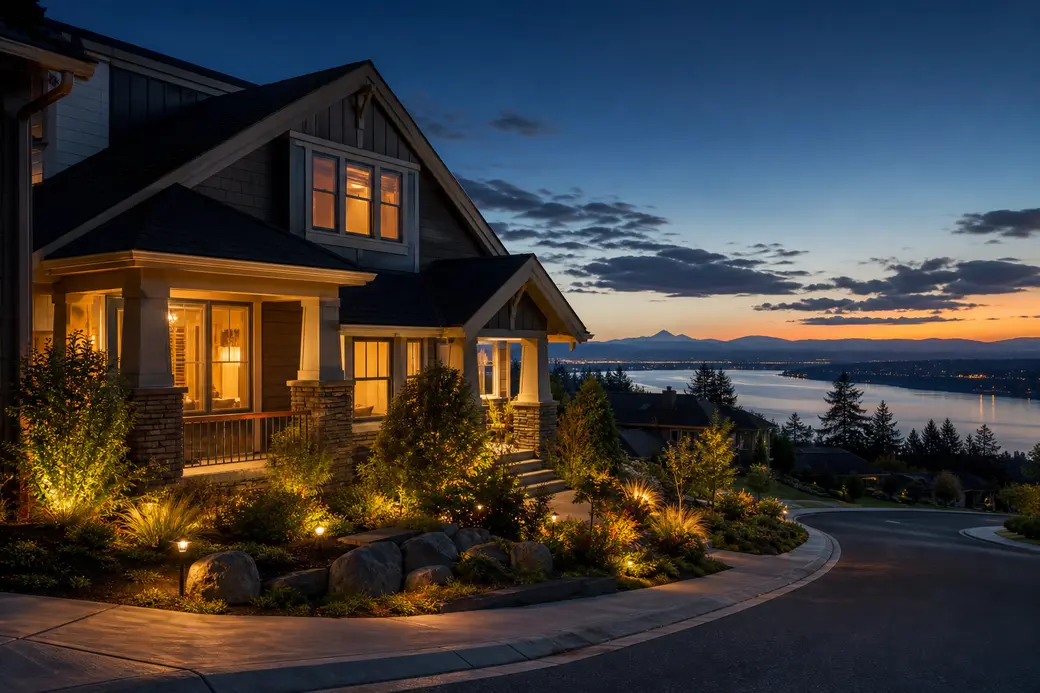
Vancouver, WA's housing market in 2026 remains seller-favorable, with a median sale price around $520,000, homes moving in roughly 10 days, and steady demand fueled by Portland proximity and Washington's tax advantages. Sellers who price accurately and present well can still attract strong offers.
What is driving Vancouver WA's real estate boom and what does it mean for sellers in 2026?
Vancouver, WA's housing market in 2026 remains firmly in seller-favorable territory, but the dynamics have shifted from the frenzied bidding-war era into something more measured and sustainable. Median sale prices are holding in the mid-to-upper $500,000s, homes are moving quickly, and demand from Portland-area and out-of-state buyers continues to flow into Clark County. Sellers who understand the current conditions and prepare accordingly are still in a strong position, but the market now rewards strategy over simply showing up.
The Numbers Behind the Boom
Let me put the current picture in context before we talk strategy.
According to recent local market data, the median sale price in Vancouver is sitting at approximately $520,000, with homes going under contract in a median of just 10 days. That kind of pace tells you buyers are still active and motivated. At the same time, FRED data on Clark County listing inventory shows year-over-year listing counts up roughly 8–13% through early 2026, which means buyers have more options than they did a year ago. More inventory is not a red flag, it's a signal that the market is maturing rather than overheating.
Looking at the county-level picture, Redfin's Clark County market data shows a median sale price of about $568,000 over the three months ending July 2026, essentially flat year-over-year (down just 0.39%). Homes sold in an average of 29 days, compared to 26 days the prior year, a modest slowdown that reflects more inventory, not disappearing demand. Through April 2026, year-to-date closed sales were up 3.8% compared to the same period in 2025, and pending sales climbed 11.5%. The market is moving.
Here's how Vancouver compares to neighboring Clark County communities right now, based on recent aggregated public listing data:
| Area | Median Sale Price | Median Days on Market |
|---|---|---|
| Vancouver | $520,000 | 10 |
| Camas | $840,000 | 36 |
| Washougal | $723,000 | 48 |
| Ridgefield | $672,480 | 53 |
| La Center | $636,000 | 44 |
Vancouver's combination of competitive pricing and fast turnover makes it the most active submarket in the county. If you own a home in Vancouver proper, that pace works in your favor, as long as your pricing and presentation hold up.
One important data point worth flagging: FRED's median listing price series for Clark County shows listing prices in the low-to-mid $600,000s through spring and summer 2026 (around $647,675 in March, edging down to approximately $632,400 by July). The gap between listing prices and actual sale prices is real, and it matters when you're deciding where to set your asking price. Buyers are negotiating. Overpricing by chasing listing-price averages instead of closed-sale comps is one of the most common mistakes I see sellers make in this environment.
What's Actually Fueling the Demand
Vancouver's boom isn't a mystery if you live here. A few forces have been compounding for years and they haven't let up.
Washington's tax advantages. There's no state income tax in Washington, which is a meaningful financial difference for anyone crossing the river from Oregon. Portland-based workers who can live in Vancouver and commute, or work remotely, keep a larger share of their paycheck. That calculus drives a consistent stream of buyers into Clark County. You can read more about Clark County's explosive growth and why it's earned the nickname "Van Angeles" in a post I put together on the topic.
Portland proximity at a lower price point. Clark County's median home prices are still meaningfully below what you'd pay for a comparable home on the Oregon side of the metro. For buyers priced out of Portland or looking for more square footage, Vancouver and its surrounding communities represent real value, and that comparison keeps demand flowing.
Sustained in-migration. The elevated median prices in 2026 alongside increased listing volume tell an important story: this isn't a speculative bubble being propped up by investors. It's real demand from people relocating to the region. If you want the full picture of what draws people here, my honest local perspective on living in Vancouver, WA covers the lifestyle factors that make this market sticky.
The January 2026 "wake-up." Local market data described January 2026 as the month the market "woke up" after a slower close to 2025. New listings jumped 18.5% compared to January 2025, pending sales climbed 13%, and the average sale price rose 10.7% year-over-year to $631,100. That momentum carried through spring and has settled into a more sustainable pace through summer, but the underlying demand that drove that January surge hasn't gone away.
What This Means If You're Selling in 2026
Here's the honest assessment: you're still in a good position as a seller, but the market is no longer doing all the work for you. Buyers have options. They're comparing your home to others. And with average total market time running around 58–64 days countywide, according to Realtor.com's Clark County market report, you have a real marketing window to manage, not a 48-hour bidding war to navigate.
Pricing: Stay Anchored to Recent Comps
The spread between median and average sale prices tells you something important. In April 2026, the median sale price countywide was $545,000 while the average was $600,700. That gap means there's active buying happening across price points, but it also means you can't just pick a number and hope. Pricing a home to its actual current value, not what the neighborhood peaked at in 2022 or what your neighbor listed for last spring, is how you attract competitive offers instead of sitting on the market watching your price drop.
I pull very recent Vancouver-specific comparables, typically within the last 60–90 days, because 2026 pricing has been moving in subtle ways month to month. A number that made sense in March may not be the right number in September. Your specific value depends on your home's condition, location, build year, and what's happened in your immediate area over the last few weeks, that's exactly what a current market analysis will tell you.
Presentation Matters More Than It Did Two Years Ago
When inventory was near historic lows, buyers would overlook a lot. They don't have to do that anymore. With listing counts up year-over-year and buyers spending more time comparing options, the homes that move quickly in this market are the ones that show well online and in person.
That means professional photography is non-negotiable. It means curb appeal and clean, neutral interiors. It means addressing obvious deferred maintenance before you list rather than leaving it for the inspection to surface. None of this requires a full renovation, in my experience, targeted, high-visibility improvements outperform expensive overhauls almost every time. The goal is to remove reasons for a buyer to discount your price, not to build a showroom.
Negotiation: Leverage Exists, But It's Not Automatic
Sellers in Vancouver today still have meaningful leverage, you're not in a buyer's market. Months of supply countywide sits around 3.9 months as of July 2026, which is seller-leaning. But you're unlikely to see the waived contingencies and over-asking offers that defined 2021–2022 as a matter of course.
Where sellers tend to retain the most leverage right now is on closing timeline flexibility, things like rent-back arrangements or accommodating a buyer's preferred close date, and on modest repair credits rather than extensive concessions. The buyers who are active in this market are serious and motivated. They're just more selective than they were during the peak frenzy, and they're negotiating with more information than they had before.
Every situation is different, and the only way to know what kind of offer activity to expect for your specific home is to run the numbers with someone who's tracking current offer patterns in your neighborhood. That's a conversation I'm glad to have before you ever sign a listing agreement.
If you want a broader look at how the 2026 market is playing out for both sides of the transaction, my Vancouver WA housing market reality check from July 2026 covers the full picture.
If you'd like to know what your home is worth in today's market, request a free home valuation here and I'll put together a current analysis based on what's actually selling in your area right now.
I'd also invite you to read what past clients have said about working with our team: read our Google reviews here.
Frequently Asked Questions
Is Vancouver, WA still a seller's market in late 2026, or has it shifted toward balanced?
Vancouver remains in seller-favorable territory heading into fall 2026, but it's closer to balanced than the extreme conditions of 2021–2022. Countywide inventory sits around 3.9 months of supply as of July 2026, which leans toward sellers, and the median days on market in Vancouver is just 10 days. Sellers still have leverage, but pricing and presentation matter more than they did at the height of the post-pandemic boom.
What is the current median home price in Clark County compared to last year?
Over the three months ending July 2026, the median sale price in Clark County was approximately $568,000, essentially flat compared to the same period in 2025 (down just 0.39% year-over-year), according to Redfin's Clark County market data. In Vancouver specifically, recent aggregated market data shows a median sale price of about $520,000. Prices are holding at elevated levels even as the pace of appreciation has moderated.
How long are homes in Vancouver, WA taking to sell in 2026?
In Vancouver proper, the median days on market is currently around 10 days from listing to accepted offer, based on recent aggregated market data. Countywide, average total market time runs closer to 58–64 days when you factor in the full list-to-close timeline, which typically includes several weeks of marketing, negotiation, and the closing process itself. Well-priced, well-presented homes in desirable Vancouver locations still tend to move faster than the county average.
Is inventory still tight around Vancouver, or are more homes hitting the market?
Inventory has increased meaningfully compared to a year ago. FRED's Clark County listing count data shows year-over-year inventory gains of roughly 5–13% through early 2026, and new listings in July 2026 were up 10.4% compared to July 2025. There are currently over 1,400 active listings in the Vancouver area. More inventory gives buyers more options, which is why pricing and presentation have become more important than they were during the low-inventory years.
What's driving Vancouver's real estate boom, jobs, Portland proximity, taxes, or something else?
It's a combination of factors that have been compounding for years. Washington's lack of a state income tax makes Vancouver financially attractive for Portland-area workers who can live across the river. Clark County home prices remain lower than comparable Portland neighborhoods, drawing price-conscious buyers. And sustained in-migration, real people relocating to the region, not speculative investors, has kept demand elevated even as inventory has grown. You can read more about the forces behind Clark County's explosive growth for a deeper look at these drivers.
How should I price my Vancouver, WA home in this 2026 market?
Price to current closed sales, not listing prices or 2022 peaks. The gap between median listing prices (in the low-to-mid $600,000s countywide) and median closed sale prices (mid-$500,000s) is real and matters. Overpricing leads to extended market time and eventual reductions that signal weakness to buyers. A local market analysis using comparables from the last 60–90 days in your specific area is the only reliable way to set a competitive price, your home's condition, street, build year, and recent neighborhood activity all factor in.
Equal Housing Opportunity. Shastine Bredlie, Realtor / Owner, Bredlie Realty Group, licensed through the Washington State Department of Licensing. This article is general market information only, not legal, tax, or financial advice. Confirm your own numbers with your closing agent, tax advisor, or lender. IDX information is provided exclusively for consumers' personal, non-commercial use and may not be used for any purpose other than to identify prospective properties consumers may be interested in purchasing. Information deemed reliable but not guaranteed to be accurate.
Categories
- All Blogs (27)
- Buyer Resources (1)
- Camas Real Estate, Luxury Homes, Southwest Washington (1)
- Clark County Real Estate (4)
- Battle Ground (1)
- Buyer Guides (1)
- Buying a Home (1)
- Buying a Home, Clark County Market, First-Time Buyers, Relocation (1)
- Clark County Housing Market (1)
- Clark County Market (1)
- First-Time Buyers, Clark County Real Estate, Buying a Home (1)
- Home Buying in Southwest Washington (1)
- Lifestyle & Neighborhoods (1)
- Living in Battle Ground WA (1)
- Living in Brush Prairie WA (1)
- Living in Camas WA (1)
- Living in Kelso WA (1)
- Living in La Center WA (1)
- Living in Longview WA (1)
- Living in Ridgefield WA (1)
- Living in Southwest Washington (3)
- Living in Vancouver WA (1)
- Living in Washougal WA (1)
- Living in Woodland WA (1)
- Local Infrastructure (1)
- Market Insights (1)
- Market Insights, Buyer Resources, Seller Resources (1)
- Market Trends (1)
- Neighborhood Guides (1)
- New Construction (2)
- Relocation (1)
- Relocation, Vancouver WA, Buyer Resources (1)
- Relocation, Vancouver WA, Tax & Finance (1)
- Ridgefield Real Estate (1)
- Ridgefield WA (1)
- Ridgefield WA Real Estate (1)
- Seller Resources (2)
- Seller Resources, Vancouver WA Real Estate (1)
- Selling a Home, Clark County Market, Closing Process (1)
- Selling a Home, Ridgefield WA (1)
- Southwest Washington Market (1)
- Vancouver Neighborhoods, Real Estate Investment, Buyer Resources (1)
- Vancouver WA Real Estate (5)
- Washougal Real Estate, Luxury Homes, Buyer Resources (1)
Recent Posts
GET MORE INFORMATION